
mail info@star-centre.org
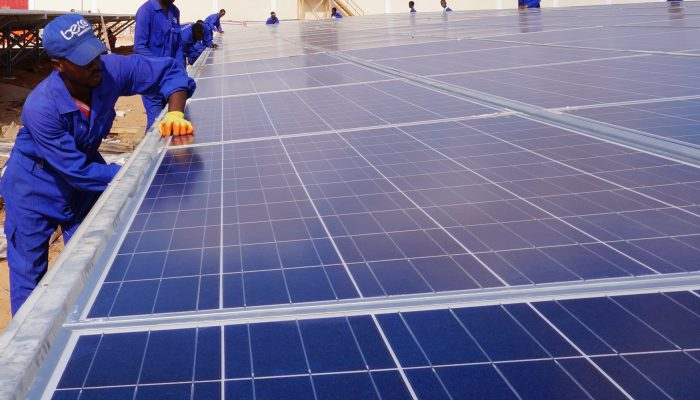
The Solar-Powered Oxygen Delivery System in Galmudug, Somalia, was developed to address critical healthcare gaps in off-grid and conflict-affected regions. The initiative aimed to provide reliable oxygen supply for medical facilities using solar energy, especially for treating respiratory illnesses and maternal complications. By integrating solar power with oxygen concentrators and storage systems, the project ensured uninterrupted access to life-saving oxygen, even in areas with no grid electricity or frequent power outages.
Impact and Inference:
This initiative demonstrated how renewable energy can directly support essential healthcare services in fragile settings. It improved patient outcomes, reduced dependency on costly and logistically challenging oxygen cylinder deliveries, and enhanced the resilience of rural health systems. The model is highly replicable in other low-resource environments where energy poverty undermines healthcare delivery.
Read more: Solar powered medical oxygen_Note 18
With over 60% of the population engaged in agriculture and pastoralism, Somalia faces severe energy access challenges and frequent fuel shortages. Solar-powered irrigation can support food production, reduce reliance on imported diesel, and improve resilience in drought-prone regions, especially where grid infrastructure is weak or absent
The Solar-Powered Irrigation initiative under the RERED II project in Bangladesh was launched to replace diesel-based irrigation pumps with solar-powered alternatives, aiming to reduce fuel dependency, lower operational costs, and promote sustainable agriculture. The program targeted smallholder farmers, offering subsidized solar irrigation systems and technical support. It successfully improved agricultural productivity, reduced greenhouse gas
emissions, and enhanced energy security in rural areas.
Impact and Inference:
This initiative demonstrated how renewable energy can directly support agricultural livelihoods, especially in regions where grid access is limited and fuel costs are high. By integrating solar technology into irrigation, the program fostered climate resilience, reduced input costs for farmers, and promoted year-round cultivation. It serves as a replicable model for linking clean energy with food security and rural development.
Read more: Solar-Powered Pumps Reduce Irrigation Costs in Bangladesh
Somalia’s fragmented grid, high fuel costs, and reliance on humanitarian aid make decentralized solar systems a practical solution. The ENGIE-EIB model can empower communities with reliable electricity, support livelihoods, and reduce dependency on diesel generators in conflict-affected and remote regions.
The ENGIE-EIB Solar Home Systems initiative in Benin was designed to accelerate rural electrification by deploying pay-as-you-go solar kits to off-grid households. The objective was to provide clean, affordable, and reliable electricity while fostering private sector-led energy access. Through innovative financing and distribution models, the project reached thousands of homes, improving quality of life, enabling small businesses, and reducing reliance on kerosene and diesel.
Impact and Inference:
This initiative demonstrated how strategic partnerships between development banks and private energy companies can unlock scalable solutions for energy poverty. It highlighted the effectiveness of decentralized solar systems in improving health, education, and economic outcomes, especially when paired with flexible payment mechanisms tailored to low-income users. 107,000 solar kits deployed using PAYGO model, benefiting 643,000 people.
Read more: EIB Solar Home Systems
Somalia’s fragmented energy infrastructure and reliance on diesel generation present a strong case for alternative renewable pilots. Small-scale solar and wind projects can offer decentralized, climate-resilient energy solutions for rural and conflict-affected areas.
ADB-backed 3kW rooftop solar for 514 households with livelihood support, The Alternative Renewable Energy Pilot in Bhutan was launched to explore non-hydro renewable energy sources—primarily solar and wind—to diversify the country’s energy portfolio. The objective was to reduce seasonal dependency on hydropower, enhance energy security, and build technical capacity for integrating alternative renewables. The pilot involved feasibility studies, small-scale installations, and institutional strengthening, laying the groundwork for future renewable energy expansion beyond hydroelectricity.
Impact and Inference:
This pilot marked a strategic shift in Bhutan’s energy planning, recognizing the need for diversification amid climate variability. It demonstrated the viability of solar and wind in Bhutan’s unique geography and provided a replicable framework for other countries seeking to transition from single-source energy dependence to a more resilient, mixed renewable portfolio.
Read more: ACEF-Bhutan-Case-Study.pdf
Somalia’s fragmented energy infrastructure and frequent power shortages make decentralized solar homes a practical solution. Individual solar setups can empower households, reduce reliance on costly generators, and support basic services in conflict-affected regions.
Félix Morffi’s Solar Home in Cuba is a grassroots example of individual-led renewable energy adoption. Morffi, a retired electrical engineer, installed solar panels on his home to generate electricity independently, showcasing the potential of decentralized solar solutions in a country with frequent grid outages and limited access to modern energy technologies. His initiative reflects the power of local innovation in overcoming energy challenges and promoting sustainability at the household level.
Impact and Inference:
This case illustrates how personal initiative and technical know-how can drive energy independence and resilience in resource-constrained environments. It highlights the role of small-scale solar in improving quality of life, reducing reliance on fossil fuels, and inspiring community-level replication. The model is particularly relevant for regions with unreliable grids and limited institutional support for renewables.
Read more: One Cuban Allies with the Sun for Sustainable Living - Havana Times
Somalia’s arid climate, pastoral economy, and limited infrastructure make solar water pumping a highly relevant solution. It can reduce reliance on diesel, improve access to clean water, and support resilience in drought-affected and conflict-prone areas.
The Lowland Solar Water Pumping initiative, supported by USAID in Ethiopia, was designed to provide reliable and sustainable water access for pastoral and agro-pastoral communities in arid lowland regions. The objective was to replace diesel-powered pumps with solar-powered systems to improve water availability for livestock, irrigation, and domestic use. The initiative enhanced climate resilience, reduced fuel costs, and supported livelihoods in drought-prone areas, while also promoting community ownership and maintenance of solar infrastructure.
The project was part of a broader USD 50 million climate-resilient water program, with USD 45 million approved by the Green Climate Fund (GCF) in 2024 to scale solar water pumping in drought-prone regions. About 90% of GCF support was provided as grants, complemented by USAID technical assistance and Ethiopian government co-financing. This blended finance approach enabled community-led schemes and empowered marginalized groups, while reducing operational costs compared to diesel systems. The financing model also incorporated life-cycle cost analysis to ensure affordability and sustainability, creating a replicable framework for climate-resilient water services in Africa.
Impact and Inference:
This project demonstrated how solar-powered water systems can transform resource-scarce environments by ensuring consistent water supply, reducing environmental impact, and improving food and water security. It also highlighted the importance of integrating renewable energy with local development goals, especially in fragile ecosystems and conflict-sensitive regions.
Read more: Microsoft Word - Lowland WASH Activity Briefing Note Solar Success in Water Services final
Somalia’s pastoral and agro-pastoral communities face severe water scarcity and energy access challenges. Solar-powered irrigation can offer a low-cost, sustainable alternative to diesel pumps, supporting food production and resilience in conflict-affected and drought-prone regions.
The Solar-Powered Irrigation initiative, implemented under the GIZ–Green People's Energy for Africa (GBE) program in Ghana, aimed to improve agricultural productivity and climate resilience by replacing diesel pumps with solar-powered irrigation systems. The project targeted smallholder farmers, offering technical training, financing models, and infrastructure support. It successfully enhanced food security, reduced operational costs, and promoted sustainable water management in rural farming communities.
Impact and Inference:
This initiative demonstrated how solar irrigation can empower farmers, reduce carbon emissions, and support year-round cultivation. It highlighted the importance of integrating renewable energy with agriculture to address both energy poverty and food insecurity. The model is scalable and adaptable to various agro-ecological zones across Africa and beyond. It is a RBF model with 40–50% subsidy, benefiting 54 farmers.
Somalia’s fragmented grid and high diesel dependency make solar-plus-storage systems a practical solution. A South Tarawa-style project can improve energy access, reduce fuel costs, and support resilience in urban and peri-urban areas.
The South Tarawa Renewable Energy Project, supported by the Asian Development Bank (ADB), was launched in Kiribati to reduce reliance on imported diesel and improve energy access in the capital region. The project’s objective was to install grid-connected solar PV systems and battery storage to stabilize the local grid, lower electricity costs, and enhance climate resilience. It also included capacity building and institutional support to strengthen the country’s renewable energy governance.
Impact and Inference:
This initiative demonstrated how solar energy and storage solutions can transform energy systems in remote island contexts. It improved energy reliability, reduced emissions, and supported Kiribati’s climate adaptation goals. The project also highlighted the importance of integrating technical infrastructure with policy and institutional development for long-term sustainability.
Read more: 49450-021: South Tarawa Renewable Energy Project | Asian Development Bank
With electrification below 35% and a fragmented, largely privatized energy sector, Somalia can benefit from community solar as a low-cost, modular solution. It bypasses the need for centralized infrastructure and supports local ownership, especially in urban and peri-urban areas where grid extension is economically unviable.
The Hawai‘i Island Community Solar Project in the USA was launched to democratize access to renewable energy by enabling residents—especially renters and low-income households—to subscribe to shared solar installations. The objective was to reduce energy costs, promote equity in clean energy access, and support Hawai‘i’s goal of achieving 100% renewable electricity by 2045. The project leveraged community-based solar arrays and subscription models, allowing participants to receive credits on their electricity bills without installing rooftop systems.
The project’s impact has been notable: participants saw average savings of 10–15% on monthly electricity bills, and the initiative contributed to reducing carbon emissions by over 1,000 metric tons annually. It demonstrated that community solar can be a scalable solution for inclusive energy transition, especially in geographies with high solar potential but limited rooftop access. The inference is that policy-backed community solar models can bridge equity gaps in renewable energy adoption while supporting national decarbonization targets.
Read more: Community Based Renewable Energy - Hawai‘i State Energy Office
Somalia faces severe deforestation and fuel scarcity, with over 90% of cooking energy from biomass. Solar cookers can provide a low-cost, climate-resilient alternative, leveraging Somalia’s abundant sunlight to improve food security and reduce environmental stress.
The Blazing Tube Solar Cooker project in Burkina Faso promotes clean cooking solutions by using solar thermal technology to replace traditional biomass stoves. Its objective is to reduce deforestation, improve indoor air quality, and lower household fuel costs. The cooker uses parabolic reflectors to concentrate sunlight, enabling efficient cooking without firewood or charcoal, which are major contributors to health hazards and environmental degradation.
The impact has been notable: households using solar cookers reduced firewood consumption by up to 70%, cutting CO₂ emissions by 1.5 tons per household annually. It also improved health outcomes by reducing smoke-related respiratory illnesses and saved families $50–$100 per year on fuel expenses. The key inference is that solar cooking technologies can deliver environmental, health, and economic benefits in regions with high solar irradiance and reliance on biomass.
Read more: Blazing Tube Solar Cookers in Burkina Faso Refugee Camps | Clean Cooking Alliance