
mail info@star-centre.org
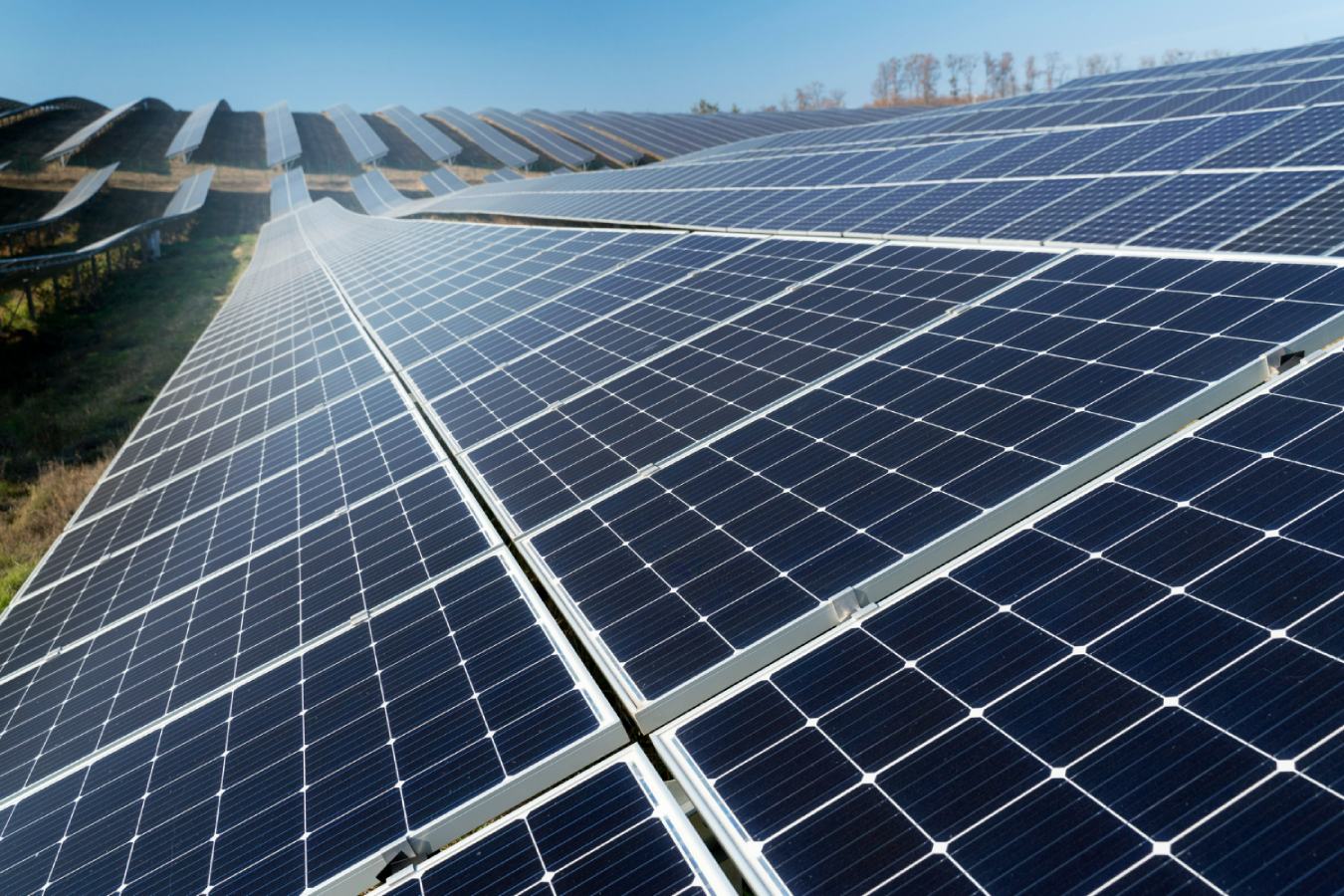
The Solar-Powered Irrigation initiative, implemented under the GIZ–Green People's Energy for Africa (GBE) program in Ghana, aimed to improve agricultural productivity and climate resilience by replacing diesel pumps with solar-powered irrigation systems. The project targeted smallholder farmers, offering technical training, financing models, and infrastructure support. It successfully enhanced food security, reduced operational costs, and promoted sustainable water management in rural farming communities.
Impact and Inference:
This initiative demonstrated how solar irrigation can empower farmers, reduce carbon emissions, and support year-round cultivation. It highlighted the importance of integrating renewable energy with agriculture to address both energy poverty and food insecurity. The model is scalable and adaptable to various agro-ecological zones across Africa and beyond. It is a RBF model with 40–50% subsidy, benefiting 54 farmers.
The 60 MW Solar Park, developed by Sweden-based TFI Power in Ghana, is a utility-scale solar PV project aimed at boosting clean energy generation and reducing reliance on fossil fuels. The project’s objective was to support Ghana’s energy diversification strategy, improve grid reliability, and contribute to climate mitigation efforts. It leveraged foreign investment and technical expertise to deliver large-scale solar infrastructure, demonstrating the effectiveness of international partnerships in accelerating Africa’s energy transition.
Impact and Inference:
This initiative showcased how foreign direct investment and private sector collaboration can drive renewable energy deployment in emerging markets. It contributed to Ghana’s national energy targets, reduced carbon emissions, and supported industrial and residential electricity demand. The project also highlighted the importance of policy stability and investment-friendly frameworks in attracting global clean energy developers.The Paris Agreement-backed project aims to reduce 165,000 tCO₂e.
Read more: Sweden finances project in Ghana to accelerate the energy transition
The Pens Food Bank and KNUST's Agricultural Engineering Department have created an innovation called the Solar-Biomass Hybrid Dryer (SBHD) at Ejura Market in Ghana. It can handle two batches per day, each processing up to 5 metric tons of produce. This dryer decreases losses after harvesting, enhances the quality of products, and offers financial advantages for farmers.
The SBHD relies on solar energy as its main heat source, utilizing biomass as a secondary option. This eco-friendly method decreases dependence on non-renewable energy sources, guarantees a steady drying procedure, and enables uninterrupted operation even in limited sunshine. The hybrid system is optimized for efficiency and reliability, making it a viable option for rural communities in Ghana.
In general, the SBHD shows great potential in boosting agricultural efficiency and encouraging the use of sustainable energy sources. It tackles typical issues experienced in drying agricultural products in Ghana and presents an affordable resolution for farmers. This innovative dryer helps boost Ghana's agricultural sector by maintaining quality, increasing shelf-life, and boosting revenues.
Read more: An Automated Solar-Biomass Hybrid Dryer System for Rural Communities in Ghana
The Solar Export Strategy, supported by the United Nations Environment Programme (UNEP), was developed to position Ghana as a regional hub for solar energy generation and export within West Africa. The strategy’s objective was to leverage Ghana’s solar potential, policy readiness, and grid infrastructure to produce surplus clean energy for neighboring countries. It focused on cross-border energy trade, investment mobilization, and regional cooperation, aligning with ECOWAS energy integration goals.
Impact and Inference:
This initiative demonstrated how solar energy can be scaled not just for domestic use but also as a strategic export commodity. It highlighted the role of regional energy markets in accelerating renewable adoption, improving energy security, and fostering economic integration. Ghana’s leadership in solar export can catalyze broader clean energy transitions across West Africa.
Read more: Ghana | UNEP - UN Environment Programme
With a growing energy demand, frequent grid instability, and a strong push toward renewable energy, Ghana is well-positioned for a solar value chain assessment. Its diverse economy, expanding middle class, and active private sector can benefit from a structured roadmap to localize solar manufacturing, improve financing mechanisms, and enhance distribution networks.
The Solar Value Chain Assessment in Bangladesh, conducted by LightCastle Partners, aimed to map the entire solar energy ecosystem—from manufacturing and distribution to financing and end-user adoption. The objective was to identify bottlenecks, assess market dynamics, and recommend interventions to strengthen the solar sector. The study revealed critical gaps in local manufacturing, financing accessibility, and policy alignment, while also highlighting opportunities for private sector engagement and innovation.
Impact and Inference:
This assessment provided actionable insights for policymakers and investors to build a more resilient and inclusive solar market. It emphasized the importance of ecosystem-level thinking, where supply chain efficiency, stakeholder coordination, and targeted incentives can accelerate renewable energy adoption. The model is especially valuable for emerging economies seeking to scale solar deployment sustainably.
Read more: Case Study: Solar Value Chain Assessment - LightCastle Partners
Ghana’s growing energy demand and active private sector make it a strong candidate for scalable solar home systems. The country’s regulatory support for renewables and mobile money infrastructure can facilitate pay-as-you-go adoption, improving energy access in peri-urban and rural zones.
The ENGIE-EIB Solar Home Systems initiative in Benin was designed to accelerate rural electrification by deploying pay-as-you-go solar kits to off-grid households. The objective was to provide clean, affordable, and reliable electricity while fostering private sector-led energy access. Through innovative financing and distribution models, the project reached thousands of homes, improving quality of life, enabling small businesses, and reducing reliance on kerosene and diesel.
Impact and Inference:
This initiative demonstrated how strategic partnerships between development banks and private energy companies can unlock scalable solutions for energy poverty. It highlighted the effectiveness of decentralized solar systems in improving health, education, and economic outcomes, especially when paired with flexible payment mechanisms tailored to low-income users. 107,000 solar kits deployed using PAYGO model, benefiting 643,000 people.
Read more: EIB Solar Home Systems
Ghana’s energy demand is rising, and while grid coverage is expanding, many rural areas still lack reliable access. Solar PV projects like Yongtru can support decentralized electrification, reduce grid pressure, and align with Ghana’s renewable energy targets and climate commitments.
The Yongtru Solar PV Project in Bhutan was initiated to diversify the country’s energy mix by introducing solar power in remote areas that face seasonal shortages due to hydroelectric dependency. The project’s objective was to enhance energy security, reduce reliance on imported diesel during dry months, and provide clean electricity to off-grid communities. It successfully demonstrated the feasibility of solar PV in Bhutan’s mountainous terrain and contributed to Bhutan’s broader sustainability and energy resilience goals.
Impact and Inference:
The project showcased how solar PV can complement hydro-based systems, especially in regions with seasonal variability. It also highlighted the role of decentralized renewable energy in improving rural electrification, reducing carbon emissions, and supporting Bhutan’s commitment to carbon neutrality. The model is replicable in other countries with similar geographic and energy access challenges.. Bhutan’s largest solar plant (22.38 MWp) diversifying beyond hydropower.
Read more: Bhutan’s Biggest Solar Project Yet: A Giant Leap Toward Energy Security
Ghana’s growing energy demand, frequent grid instability, and commitment to renewable energy make it a strong candidate for climate-financed solar programs. The country’s enabling policy environment and active private sector can support rapid deployment of solar PV systems, especially in underserved regions.
The Mitigation Action Facility Solar Program in Bhutan was designed to support the country’s transition toward a diversified and low-carbon energy mix by introducing solar PV systems in areas vulnerable to seasonal hydroelectric shortfalls. The program’s objective was to enhance energy security, reduce greenhouse gas emissions, and build institutional capacity for solar deployment. It leveraged international climate finance and technical cooperation to pilot scalable solar solutions aligned with Bhutan’s carbon neutrality goals.
The project introduces a Green Financing Framework to mobilize capital for private Energy Service Companies (ESCOs), leveraging EUR 4 million in concessional loans and EUR 7 million in co-funding from public and private sources. It combines policy reforms, buy-back guarantees, and credit lines to attract private investment and improve tariff structures. Technical assistance supports regulatory strengthening and capacity building, ensuring long-term sustainability and investment confidence.
Impact and Inference:
This initiative demonstrated how targeted climate finance can accelerate renewable energy adoption in countries with limited fiscal space. It provided a framework for integrating solar into national energy planning, improving resilience, and reducing dependency on fossil fuel imports. The program also emphasized the importance of policy alignment, capacity building, and stakeholder engagement in scaling solar infrastructure.
Read more: Bhutan – Solar Power - Mitigation Action Facility
Ghana’s growing electricity demand and commitment to renewable energy make it a strong candidate for grid-connected solar projects. With an established regulatory framework and interest in IPP-led investments, Ghana can replicate Ferke’s model to boost generation capacity and reduce emissions.
52 MW IPP with €28M investment, targeting underserved northern regions. The Ferke Solar Project, supported by the Emerging Africa Infrastructure Fund (EAAIF), was developed in Côte d'Ivoire to expand clean energy generation through grid-connected solar PV infrastructure. The project’s objective was to diversify the national energy mix, reduce carbon emissions, and improve electricity supply reliability in underserved regions. By leveraging blended finance and private sector participation, the initiative contributed to Côte d'Ivoire’s renewable energy targets and demonstrated the viability of utility-scale solar in West Africa.
Impact and Inference:
The Ferke Solar Project exemplifies how strategic investment in solar infrastructure can enhance grid stability, reduce fossil fuel dependency, and support national climate goals. It also highlights the importance of public-private partnerships and concessional financing in scaling renewable energy in emerging markets. The model is well-suited for replication in countries with similar energy access and climate challenges.
Read more: EAAIF invests EUR 28 million in 52 MW solar plant in northern Côte d’Ivoire
Ghana’s growing energy demand and policy support for renewables make it a strong candidate for large-scale solar. A Boundiali-style project can help reduce fossil fuel reliance, lower electricity costs, and support industrial growth in underserved regions.
The Boundiali Solar Plant, supported by KfW and the European Union, is one of Côte d'Ivoire’s first large-scale grid-connected solar power projects. With a capacity of 37.5 MW, the plant was developed to diversify the country’s energy mix, reduce greenhouse gas emissions, and improve electricity supply in northern regions. The project combined concessional financing with technical assistance, showcasing how international cooperation can accelerate clean energy infrastructure in West Africa.
Impact and Inference:
The Boundiali Solar Plant demonstrated the feasibility and benefits of utility-scale solar in a region traditionally reliant on thermal and hydroelectric sources. It contributed to national energy security, supported climate goals, and laid the foundation for future renewable investments. The project also highlighted the importance of regional equity in energy access and the role of donor-backed initiatives in de-risking solar investments.
Read more: The first solar power plant in Côte d'Ivoire supplies electricity for 35,000 households
Ghana’s decentralized governance structure and regional disparities in energy access make integrated planning essential. A strategy like ACE–TAF’s can help harmonize regional development goals, improve energy equity, and support Ghana’s transition to a low-carbon economy.
The Integrated Regional Energy Strategy, supported by the Africa Clean Energy Technical Assistance Facility (ACE–TAF), was developed to promote coordinated energy planning across regions in Ethiopia. The strategy aimed to align national and sub-national energy priorities, improve access to clean energy, and support inclusive development through data-driven decision-making. It emphasized stakeholder engagement, policy harmonization, and capacity building to ensure that energy investments are equitable, efficient, and climate-resilient.
Impact and Inference:
This initiative demonstrated the value of integrated planning in overcoming fragmented energy governance and infrastructure gaps. It provided a framework for scaling renewable energy, optimizing resource allocation, and fostering regional cooperation. The strategy is especially relevant for countries with diverse geographic and socio-economic contexts seeking to balance national goals with local needs.
Read more: Ethiopia-Integrated-Regional-Energy-Strategy-1.pdf
With a growing energy demand (projected to increase by 6–8% annually) and rural electrification still below 85%, Ghana can benefit from community-owned solar farms to reduce grid pressure and enhance energy access. The country’s supportive renewable energy policies and active cooperatives make it a fertile ground for localized energy models.
Repower Shoalhaven, a community-led renewable energy initiative in Australia, focuses on developing locally owned solar farms and battery storage systems to empower regional communities. Its objective is to decentralize energy generation, promote local ownership, and reinvest profits into community development. The model blends cooperative financing, grid integration, and stakeholder engagement to create a replicable framework for community energy transition.
The project has delivered tangible impact: over 1 MW of solar capacity installed across multiple sites, with community investors earning returns of 5–7% annually. It has reduced local carbon emissions and increased energy independence, while fostering civic participation in climate action. The key inference is that community-owned renewable energy can be both financially viable and socially empowering, especially when aligned with local development goals.
Read more: Shoalhaven Community Solar Farm - Flow Power
Ghana’s energy demand is growing at 6–8% annually, and rural electrification remains constant. Community-owned solar cooperatives can reduce grid strain, improve affordability, and leverage Ghana’s active cooperative movement for inclusive energy access.
Cooperative Energy Futures (CEF) is a member-owned energy cooperative in Minnesota that develops community solar projects to provide affordable clean energy access. Its objective is to democratize energy ownership, reduce energy costs for low-income households, and promote equity in renewable energy adoption. CEF uses a subscription model where members invest in solar projects and receive credits on their electricity bills, ensuring financial and environmental benefits for the community.
The impact has been significant: CEF has installed over 8 MW of community solar capacity, serving 700+ households, and saving members 10–15% on energy bills annually. It has also created local jobs and strengthened community engagement in climate action. The key inference is that cooperative models can accelerate renewable energy adoption while addressing affordability and equity challenges.
Read more: COOPERATIVE ENERGY FUTURES