
mail info@star-centre.org
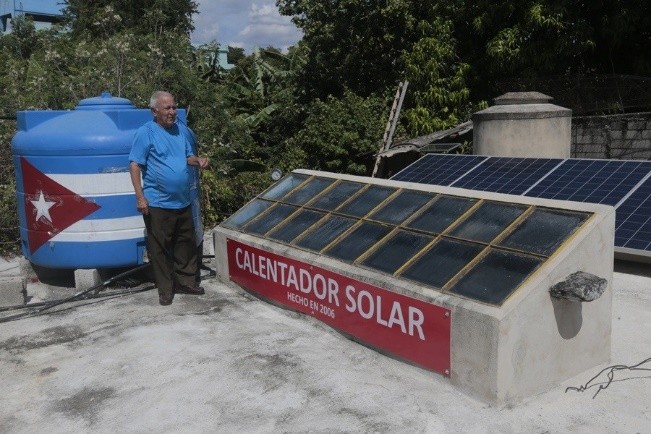
Félix Morffi’s Solar Home in Cuba is a grassroots example of individual-led renewable energy adoption. Morffi, a retired electrical engineer, installed solar panels on his home to generate electricity independently, showcasing the potential of decentralized solar solutions in a country with frequent grid outages and limited access to modern energy technologies. His initiative reflects the power of local innovation in overcoming energy challenges and promoting sustainability at the household level.
Impact and Inference:
This case illustrates how personal initiative and technical know-how can drive energy independence and resilience in resource-constrained environments. It highlights the role of small-scale solar in improving quality of life, reducing reliance on fossil fuels, and inspiring community-level replication. The model is particularly relevant for regions with unreliable grids and limited institutional support for renewables.
Read more: One Cuban Allies with the Sun for Sustainable Living - Havana Times
Cuba’s energy transition case study focuses on leveraging international cooperation to accelerate renewable energy adoption and reduce dependence on fossil fuels. Through partnerships with organizations like the International Solar Alliance (ISA) and the Latin American Energy Organization (OLADE), Cuba is implementing projects such as solar-powered irrigation systems, rural electrification, and solar integration in key sectors like biopharma and fisheries. The country’s National Solar Program aims for 2,000 MW of solar capacity, with 700 MW already operational, benefiting hundreds of thousands of families and supporting sustainable agriculture and economic recovery.
The impact of this initiative is multifaceted: it strengthens energy security, reduces greenhouse gas emissions, and positions Cuba as a regional leader in solar technology research through the establishment of a STAR Center. Beyond environmental benefits, the program drives socio-economic development by improving rural livelihoods, creating jobs, and fostering technical expertise. These efforts align with Cuba’s long-term goal of achieving energy sovereignty and a fully renewable energy matrix by 2050, setting a strong precedent for collaborative energy transitions in Latin America.
Read more: Cuba's energy transition with international cooperation - Radio Angulo
Cuba’s isolated grid system and reliance on imported fossil fuels make alternative renewables a strategic fit. Pilots similar to Bhutan’s can help Cuba build local capacity, reduce energy vulnerability, and align with its national sustainability goals.
ADB-backed 3kW rooftop solar for 514 households with livelihood support, The Alternative Renewable Energy Pilot in Bhutan was launched to explore non-hydro renewable energy sources—primarily solar and wind—to diversify the country’s energy portfolio. The objective was to reduce seasonal dependency on hydropower, enhance energy security, and build technical capacity for integrating alternative renewables. The pilot involved feasibility studies, small-scale installations, and institutional strengthening, laying the groundwork for future renewable energy expansion beyond hydroelectricity.
Impact and Inference:
This pilot marked a strategic shift in Bhutan’s energy planning, recognizing the need for diversification amid climate variability. It demonstrated the viability of solar and wind in Bhutan’s unique geography and provided a replicable framework for other countries seeking to transition from single-source energy dependence to a more resilient, mixed renewable portfolio.
Read more: ACEF-Bhutan-Case-Study.pdf
Cuba’s mountainous regions, such as the Sierra Maestra, face energy access challenges due to aging infrastructure and fuel constraints. Solar microgrids can provide clean, decentralized power to rural communities, reduce diesel dependency, and support Cuba’s sustainability and resilience efforts.
Community-based solar microgrids with battery storage. The Solar Microgrids in Mountainous Regions initiative in Nepal was developed to provide reliable electricity to remote, high-altitude communities where grid extension is technically and economically challenging. The objective was to deploy decentralized solar microgrids tailored to rugged terrain, enabling access to lighting, communication, and basic services. These systems were community-managed and designed to withstand harsh weather, improving energy equity and supporting local development.
Impact and Inference:
This initiative demonstrated how solar microgrids can overcome geographic barriers to electrification. It improved quality of life, supported education and healthcare, and reduced reliance on biomass and kerosene. The model is particularly effective in regions with dispersed populations and limited infrastructure, offering a scalable solution for inclusive energy access.
Read more: Business Models Key to Successful Microgrids in Nepal | HOMER Microgrid News
Cuba’s centralized energy system and reliance on imported fossil fuels (over 90% of primary energy) create vulnerability. Community solar can diversify supply, reduce blackouts, and align with Cuba’s push for 24% renewable electricity by 2030, especially in rural and coastal zones where grid extension is costly.
Repower Shoalhaven, a community-led renewable energy initiative in Australia, focuses on developing locally owned solar farms and battery storage systems to empower regional communities. Its objective is to decentralize energy generation, promote local ownership, and reinvest profits into community development. The model blends cooperative financing, grid integration, and stakeholder engagement to create a replicable framework for community energy transition.
The project has delivered tangible impact: over 1 MW of solar capacity installed across multiple sites, with community investors earning returns of 5–7% annually. It has reduced local carbon emissions and increased energy independence, while fostering civic participation in climate action. The key inference is that community-owned renewable energy can be both financially viable and socially empowering, especially when aligned with local development goals.
Read more: Shoalhaven Community Solar Farm - Flow Power
Cuba’s reliance on imported fossil fuels (90% of primary energy) and centralized energy system create vulnerability. Cooperative solar projects can diversify supply, reduce blackouts, and align with Cuba’s renewable target of 24% by 2030, while fostering local participation.
Cooperative Energy Futures (CEF) is a member-owned energy cooperative in Minnesota that develops community solar projects to provide affordable clean energy access. Its objective is to democratize energy ownership, reduce energy costs for low-income households, and promote equity in renewable energy adoption. CEF uses a subscription model where members invest in solar projects and receive credits on their electricity bills, ensuring financial and environmental benefits for the community.
The impact has been significant: CEF has installed over 8 MW of community solar capacity, serving 700+ households, and saving members 10–15% on energy bills annually. It has also created local jobs and strengthened community engagement in climate action. The key inference is that cooperative models can accelerate renewable energy adoption while addressing affordability and equity challenges.
Read more: COOPERATIVE ENERGY FUTURES