
mail info@star-centre.org
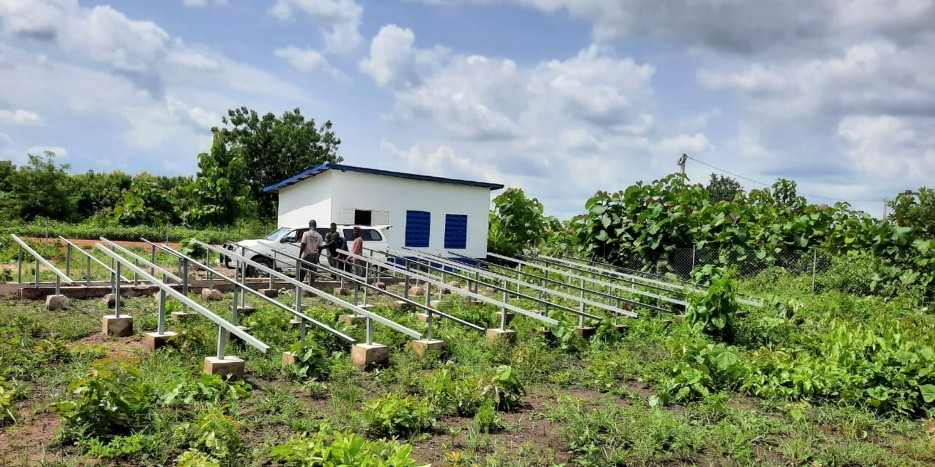
The Boundiali Solar Plant, supported by KfW and the European Union, is one of Côte d'Ivoire’s first large-scale grid-connected solar power projects. With a capacity of 37.5 MW, the plant was developed to diversify the country’s energy mix, reduce greenhouse gas emissions, and improve electricity supply in northern regions. The project combined concessional financing with technical assistance, showcasing how international cooperation can accelerate clean energy infrastructure in West Africa.
Impact and Inference:
The Boundiali Solar Plant demonstrated the feasibility and benefits of utility-scale solar in a region traditionally reliant on thermal and hydroelectric sources. It contributed to national energy security, supported climate goals, and laid the foundation for future renewable investments. The project also highlighted the importance of regional equity in energy access and the role of donor-backed initiatives in de-risking solar investments.
Read More: The first solar power plant in Côte d'Ivoire supplies electricity for 35,000 households
With over 40% of its rural population lacking access to electricity and a growing demand for energy in agricultural zones, Côte d'Ivoire presents a strong case for SHS deployment. The country’s stable economic growth and government interest in renewable energy make it conducive for public-private investment models like IDCOL’s. SHS can support rural electrification without waiting for costly grid expansion.
The IDCOL Solar Home Systems (SHS) Program in Bangladesh was designed to tackle rural energy poverty by deploying solar home systems in off-grid regions. Its core objective was to provide clean, reliable electricity to underserved communities, reduce reliance on kerosene, and stimulate socio-economic development. The IDCOL Solar Home Systems (SHS) Program, launched in 2003, became the world’s largest off-grid electrification initiative, transforming rural energy access in Bangladesh. By 2018, the program had installed 4.13 million SHSs, providing clean electricity to nearly 20 million people and replacing kerosene lamps, which significantly reduced indoor air pollution and improved quality of life. The program aimed for 6 million systems, generating around 110 MW of renewable capacity and saving 250,000 tons of fossil fuel annually.
The financing mechanism was innovative and inclusive. With a total investment of approximately USD 1.1 billion, the program leveraged USD 683 million from development partners (including World Bank IDA credit and grants) and USD 412 million from households and private entities. IDCOL refinanced up to 70% of partner organization loans at concessional rates, while households paid a 15% down payment and financed the remainder through micro-credit at around 12% interest over three years. Grants and buy-down subsidies further reduced upfront costs, making systems affordable for low-income households. Implemented through 56 partner organizations, the program combined soft loans, grants, and microfinance to achieve scale and sustainability, serving as a global benchmark for decentralized renewable energy deployment.
Read More: Lessons from Bangladesh's SHS Program
Despite urban electrification progress, rural areas still face energy deficits. Mini-grids can accelerate access in agricultural zones, support agro-processing, and reduce dependence on costly diesel generators, aligning with national energy access goals.
The GDS International Mini-Grids initiative in Benin focuses on deploying solar-powered mini-grids to electrify remote communities that are beyond the reach of national grids. The objective is to provide reliable, clean electricity for households, schools, health centers, and small businesses, thereby fostering inclusive development. By combining technical innovation with community engagement and private sector investment, the initiative has successfully improved energy access, reduced reliance on diesel, and stimulated local economies.
Impact and Inference:
This initiative illustrates how decentralized energy infrastructure can bridge the rural electrification gap in a cost-effective and sustainable manner. It highlights the importance of tailored energy solutions that match local demand profiles, and the role of mini-grids in enabling productive use of electricity, improving public services, and supporting climate goals. 3 MW decentralized solar mini-grids with productive use focus.
Read More: Innovative Rural Electrification Microgrid (Benin)
With a growing population and uneven rural electrification, Côte d'Ivoire can benefit from solar PV systems to complement its grid and reduce reliance on fossil fuels. The country’s economic stability and policy support for renewables make it suitable for scaling such projects.
The Yongtru Solar PV Project in Bhutan was initiated to diversify the country’s energy mix by introducing solar power in remote areas that face seasonal shortages due to hydroelectric dependency. The project’s objective was to enhance energy security, reduce reliance on imported diesel during dry months, and provide clean electricity to off-grid communities. It successfully demonstrated the feasibility of solar PV in Bhutan’s mountainous terrain and contributed to Bhutan’s broader sustainability and energy resilience goals.
Impact and Inference:
The project showcased how solar PV can complement hydro-based systems, especially in regions with seasonal variability. It also highlighted the role of decentralized renewable energy in improving rural electrification, reducing carbon emissions, and supporting Bhutan’s commitment to carbon neutrality. The model is replicable in other countries with similar geographic and energy access challenges.. Bhutan’s largest solar plant (22.38 MWp) diversifying beyond hydropower.
Read More: Bhutan’s Biggest Solar Project Yet: A Giant Leap Toward Energy Security
With a rising population and uneven rural electrification, Côte d'Ivoire can benefit from mitigation-focused solar programs to reduce emissions and expand access. The country’s economic stability and interest in green growth provide a solid foundation for leveraging international climate finance and scaling solar infrastructure.
The Mitigation Action Facility Solar Program in Bhutan was designed to support the country’s transition toward a diversified and low-carbon energy mix by introducing solar PV systems in areas vulnerable to seasonal hydroelectric shortfalls. The program’s objective was to enhance energy security, reduce greenhouse gas emissions, and build institutional capacity for solar deployment. It leveraged international climate finance and technical cooperation to pilot scalable solar solutions aligned with Bhutan’s carbon neutrality goals.
The project introduces a Green Financing Framework to mobilize capital for private Energy Service Companies (ESCOs), leveraging EUR 4 million in concessional loans and EUR 7 million in co-funding from public and private sources. It combines policy reforms, buy-back guarantees, and credit lines to attract private investment and improve tariff structures. Technical assistance supports regulatory strengthening and capacity building, ensuring long-term sustainability and investment confidence.
Impact and Inference:
This initiative demonstrated how targeted climate finance can accelerate renewable energy adoption in countries with limited fiscal space. It provided a framework for integrating solar into national energy planning, improving resilience, and reducing dependency on fossil fuel imports. The program also emphasized the importance of policy alignment, capacity building, and stakeholder engagement in scaling solar infrastructure.
Read More: Bhutan – Solar Power - Mitigation Action Facility
The country’s growing irrigation network and goal to increase renewable energy to 42% of the mix by 2030 align well with canal solar. It also faces land-use pressures in agricultural zones, making canal-top installations a smart way to balance energy and food security.
The Canal Solar Power Project in India is an innovative approach to solar deployment that utilizes canal-top and canal-bank spaces for photovoltaic installations. Its objective is to optimize land use, reduce water evaporation, and generate clean energy without displacing agricultural or urban land. Initiated in Gujarat, the project combines infrastructure efficiency with climate resilience, showcasing how existing water networks can be leveraged for renewable energy generation.
The impact has been multifaceted: over 18 MW of solar capacity installed across canal stretches, saving approximately 60,000 liters of water per MW annually due to reduced evaporation. It also avoids land acquisition costs and supports India’s broader renewable energy goals. The key inference is that integrating solar with water infrastructure offers a dual benefit—clean energy and water conservation—especially in land-constrained or water-stressed regions.
With electricity demand growing at 8% annually and a renewable energy target of 42% by 2030, Côte d’Ivoire can replicate Rwanda’s model to diversify its energy mix. The government plans for rural electrification make large-scale solar projects a strategic fit for reducing fossil fuel dependence and improving grid reliability.
The Gigawatt Grid Solar Project in Rwanda is one of East Africa’s largest grid-connected solar plants, designed to accelerate renewable energy adoption and reduce reliance on imported fossil fuels. Its objective was to provide affordable, clean electricity to the national grid while supporting Rwanda’s goal of 100% electricity access by 2030. The project leveraged public-private partnerships and innovative financing to deliver large-scale solar infrastructure in a land-constrained environment.
The impact has been substantial: the plant generates 8.5 MW, powering over 15,000 homes, and reduces CO₂ emissions by 6,000 tons annually. It also improved grid stability and attracted foreign investment in Rwanda’s energy sector. The key inference is that utility-scale solar projects can transform energy access and sustainability in emerging economies when supported by strong policy frameworks and blended financing.
Read More: Gigawatt Grid Solar, Rwanda | Climate Impact Partners