
mail info@star-centre.org
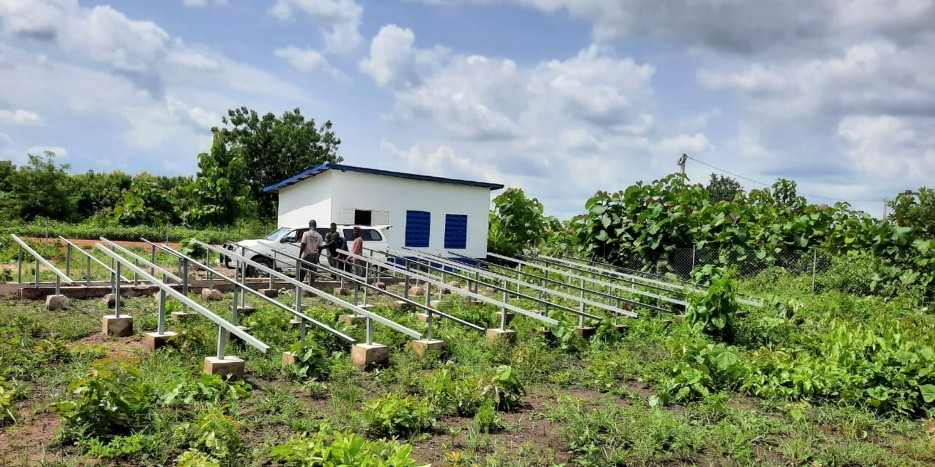
The Off-Grid Electricity Access Project (OGEAP) in Benin was launched to expand energy access in underserved rural communities through solar mini-grids and standalone solar systems. Its objective was to bridge the energy gap for households, schools, and health centers by leveraging private sector participation and concessional financing. The project successfully demonstrated how decentralized renewable energy solutions can be scaled to meet basic electricity needs, improve public service delivery, and stimulate local economic activities.
Impact and Inference:
OGEAP highlighted the effectiveness of off-grid solar solutions in accelerating universal energy access, especially in regions where grid extension is economically unfeasible. It also underscored the importance of enabling policies, blended finance, and community engagement in ensuring long-term sustainability. The model is adaptable to other countries facing similar infrastructure and energy access challenges.
Read more: Enabling Off-Grid Energy Investment in Benin
The ENGIE-EIB Solar Home Systems initiative in Benin was designed to accelerate rural electrification by deploying pay-as-you-go solar kits to off-grid households. The objective was to provide clean, affordable, and reliable electricity while fostering private sector-led energy access. Through innovative financing and distribution models, the project reached thousands of homes, improving quality of life, enabling small businesses, and reducing reliance on kerosene and diesel.
Impact and Inference:
This initiative demonstrated how strategic partnerships between development banks and private energy companies can unlock scalable solutions for energy poverty. It highlighted the effectiveness of decentralized solar systems in improving health, education, and economic outcomes, especially when paired with flexible payment mechanisms tailored to low-income users. 107,000 solar kits deployed using PAYGO model, benefiting 643,000 people.
Read more: EIB Solar Home Systems
The Solar Market Gardens (SMG) initiative by SELF in Benin aimed to empower women farmers by providing solar-powered drip irrigation systems for community gardens. The objective was to enhance food security, improve nutrition, and generate income through sustainable agriculture. By integrating solar energy with efficient irrigation, the project enabled year-round cultivation, reduced water usage, and supported climate-resilient farming practices in arid regions.
Impact and Inference:
The initiative demonstrated how solar energy can be leveraged not just for electrification but also for agricultural empowerment. It created a replicable model for linking clean energy with gender-inclusive development, food production, and climate adaptation. The success of SMGs underscores the potential of decentralized solar solutions in transforming rural livelihoods.
Read more: Self's Solar Market Gardens | Benin | UNFCCC
The GDS International Mini-Grids initiative in Benin focuses on deploying solar-powered mini-grids to electrify remote communities that are beyond the reach of national grids. The objective is to provide reliable, clean electricity for households, schools, health centers, and small businesses, thereby fostering inclusive development. By combining technical innovation with community engagement and private sector investment, the initiative has successfully improved energy access, reduced reliance on diesel, and stimulated local economies.
Impact and Inference:
This initiative illustrates how decentralized energy infrastructure can bridge the rural electrification gap in a cost-effective and sustainable manner. It highlights the importance of tailored energy solutions that match local demand profiles, and the role of mini-grids in enabling productive use of electricity, improving public services, and supporting climate goals. 3 MW decentralized solar mini-grids with productive use focus.
Read more: Innovative Rural Electrification Microgrid (Benin)
Benin has extensive inland waterways and a large rural population with limited transport infrastructure. Solar ferries can offer affordable, low-maintenance mobility solutions, especially in flood-prone or riverine areas, supporting economic activity and access to services in underserved regions.
The Solar Ferry Boats initiative in Bangladesh was developed to provide clean, affordable, and efficient water transport across rivers and coastal areas, particularly benefiting communities dependent on waterways for daily mobility. The objective was to reduce fuel costs, improve safety, and cut emissions by replacing diesel-powered boats with solar-powered alternatives. These ferries have proven effective in reducing operational costs, enhancing access to education and healthcare, and promoting sustainable livelihoods in remote regions.
Impact and Inference:
The initiative demonstrated how solar-powered transport can be a game-changer for low-income, water-reliant communities. It offers a replicable model for integrating renewable energy into public transport, especially in geographies where waterways are central to daily life. The program also underscores the potential of green infrastructure to support inclusive development and climate resilience.
Read more: Development of Solar PV-based Water Transportation.pdf
Benin has already shown success with solar initiatives and has a supportive regulatory environment. Scaling Solar can further streamline project development, reduce costs, and expand grid-connected solar capacity, especially in underserved regions.
60 MW PPP solar project is under World Bank’s Scaling Solar framework. The Scaling Solar Program, led by the International Finance Corporation (IFC), is a turnkey solution designed to help governments rapidly procure and develop grid-connected solar power through competitive tenders. In Côte d'Ivoire, the program aimed to attract private investment, reduce electricity costs, and expand clean energy generation. It provided a standardized framework for project development, including legal, financial, and technical support, resulting in faster deployment and lower tariffs for solar electricity.
The program uses a one-stop-shop model combining IFC advisory services, World Bank guarantees, and Multilateral Investment Guarantee Agency (MIGA) risk mitigation instruments. This structure reduces project risk and cost of capital, enabling private developers to secure financing under long-term Power Purchase Agreements (PPAs). The approach blends concessional finance and commercial debt, ensuring affordability and bankability for Independent Power Producers (IPPs).
Impact and Inference:
The program demonstrated how structured public-private partnerships and transparent procurement processes can accelerate solar adoption in emerging markets. It reduced project risks, improved investor confidence, and delivered cost-effective solar energy. The model is especially effective in countries with strong political will but limited institutional capacity for renewable energy development.
Read more: Côte d'Ivoire | Scaling Solar
Benin’s energy sector faces challenges in rural electrification and coordination between national and local actors. An integrated strategy can streamline planning, attract investment, and ensure that clean energy initiatives are aligned with regional development priorities.
The Integrated Regional Energy Strategy, supported by the Africa Clean Energy Technical Assistance Facility (ACE–TAF), was developed to promote coordinated energy planning across regions in Ethiopia. The strategy aimed to align national and sub-national energy priorities, improve access to clean energy, and support inclusive development through data-driven decision-making. It emphasized stakeholder engagement, policy harmonization, and capacity building to ensure that energy investments are equitable, efficient, and climate-resilient.
Impact and Inference:
This initiative demonstrated the value of integrated planning in overcoming fragmented energy governance and infrastructure gaps. It provided a framework for scaling renewable energy, optimizing resource allocation, and fostering regional cooperation. The strategy is especially relevant for countries with diverse geographic and socio-economic contexts seeking to balance national goals with local needs.
Read more: Ethiopia-Integrated-Regional-Energy-Strategy-1.pdf
Benin’s rural electrification challenges and growing interest in decentralized energy solutions make it a suitable candidate for community-driven solar microgrids. Empowering Paradise’s approach can support local development, reduce energy poverty, and align with Benin’s renewable energy goals.
$40M solar mini-grid rollout for remote islands. The Empowering Paradise initiative, led by Arizona State University (ASU) under the LEAPS (Laboratory for Energy And Power Solutions) program, was designed to bring resilient, solar-powered microgrid solutions to remote island communities in Fiji. The objective was to improve energy access, reduce diesel dependency, and enhance climate resilience through community-driven, modular solar systems. The initiative combined technical innovation with local capacity building, enabling sustainable energy transitions in vulnerable island ecosystems.
Impact and Inference:
This project demonstrated how academic partnerships and modular solar technologies can empower isolated communities with clean, reliable electricity. It emphasized the importance of co-designing energy systems with local stakeholders, ensuring long-term sustainability and ownership. The model is highly replicable in other island and off-grid contexts facing similar energy and climate challenges.
Read more: Empowering Paradise: Fiji’s Solar Revolution Lighting Up Remote Islands
Benin’s agrarian economy and rural energy access gaps make it a strong candidate for agrophotovoltaic systems. These can improve agricultural yields, reduce diesel use, and support sustainable development in farming communities.
$10M solar-agriculture hybrid project improving food security. The Agrophotovoltaic Project, supported by the Green Climate Fund (GCF) and Korea International Cooperation Agency (KOICA), was launched in Fiji to integrate solar energy generation with agricultural production. The objective was to optimize land use by installing solar panels above crop fields, enabling dual benefits—clean energy and enhanced food security. The project aimed to build climate resilience, reduce emissions, and support sustainable livelihoods in vulnerable rural communities.
Impact and Inference:
This initiative demonstrated how agrophotovoltaics can address both energy and agricultural challenges simultaneously. It showcased the potential of innovative land-use models to improve resource efficiency, empower farmers, and contribute to climate adaptation. The project is especially relevant for countries facing land scarcity, energy poverty, and climate vulnerability
Read more: Agrophotovoltaic
Benin’s energy sector is evolving, with increasing interest in grid-connected solar to complement rural electrification efforts. A large-scale solar park can help diversify the energy mix, reduce diesel reliance, and support economic growth, especially in urban and peri-urban zones.
The 60 MW Solar Park, developed by Sweden-based TFI Power in Ghana, is a utility-scale solar PV project aimed at boosting clean energy generation and reducing reliance on fossil fuels. The project’s objective was to support Ghana’s energy diversification strategy, improve grid reliability, and contribute to climate mitigation efforts. It leveraged foreign investment and technical expertise to deliver large-scale solar infrastructure, demonstrating the effectiveness of international partnerships in accelerating Africa’s energy transition.
Impact and Inference:
This initiative showcased how foreign direct investment and private sector collaboration can drive renewable energy deployment in emerging markets. It contributed to Ghana’s national energy targets, reduced carbon emissions, and supported industrial and residential electricity demand. The project also highlighted the importance of policy stability and investment-friendly frameworks in attracting global clean energy developers.The Paris Agreement-backed project aims to reduce 165,000 tCO₂e.
Read more: Sweden finances project in Ghana to accelerate the energy transition
Benin’s growing mobile penetration and rural electrification gaps make it a strong candidate for M-KOPA’s model. Pay-as-you-go solar can reduce upfront financial barriers, support household electrification, and align with Benin’s renewable energy and financial inclusion strategies.
The M-KOPA Solar Pay-As-You-Go initiative in Kenya revolutionized energy access by offering affordable solar home systems through mobile-based micro-payments. The objective was to empower low-income, off-grid households with clean electricity without upfront costs. By integrating solar technology with mobile money platforms, M-KOPA enabled users to pay in small installments, making energy access financially inclusive. The model improved health, education, and economic productivity while reducing reliance on kerosene and diesel.
Impact and Inference:
This initiative demonstrated how fintech and renewable energy can converge to solve energy poverty. It proved that scalable, customer-centric models can drive adoption in underserved markets. M-KOPA’s success highlights the importance of affordability, digital infrastructure, and local distribution networks in expanding clean energy access.
Read more: M-KOPA-pay-as-you-go-models.pdf
Only 42% electrification rate and high solar potential (5.5 kWh/m²/day) make decentralized renewable solutions ideal for bridging the rural energy gap and supporting agricultural productivity.
The Energy Services Delivery (ESD) and Renewable Energy for Rural Economic Development (RERED) projects in Sri Lanka were designed to expand access to modern energy services through renewable energy solutions, particularly solar home systems and mini-hydro plants. Their primary objective was to improve rural electrification, reduce dependency on fossil fuels, and stimulate economic development by leveraging decentralized renewable energy technologies. These initiatives combined financial mechanisms, private sector participation, and community engagement to ensure sustainability and scalability.
The impact of these projects was significant: over 100,000 solar home systems were installed under ESD and RERED, contributing to a rural electrification rate increase from 50% to 94% by 2016. They demonstrated that targeted subsidies, credit facilities, and capacity-building can accelerate renewable energy adoption in underserved regions. The inference is clear—integrated policy frameworks and innovative financing models can transform rural energy landscapes while reducing greenhouse gas emissions and fostering inclusive growth.
Read more: CS Sri Lanka_JW
With over 40% of GDP from agriculture and an electrification rate of 42%, agrivoltaics can simultaneously boost rural energy access and crop yields.
The TSE Marville Agrivoltaic Station in France is a pioneering project that integrates solar energy generation with agricultural production. Its objective is to optimize land use by installing elevated solar panels that allow crops to grow underneath, creating a dual-use system that supports both food and energy security. This model addresses land scarcity challenges while promoting sustainable farming practices and renewable energy adoption.
The impact has been impressive: the station spans 150 hectares, generating 250 MW of solar power while maintaining agricultural productivity. It reduces land-use conflicts, improves crop resilience against extreme weather, and contributes significantly to France’s renewable energy targets. The key inference is that agrivoltaics can deliver synergistic benefits—clean energy, climate adaptation, and rural economic development—especially in regions with high solar potential and agricultural dependence.
Read more: TSE Unveils '2nd Largest Solar Plant in France' with 152 MW...
With Benin healthcare facilities often lacking reliable power, solar solutions can ensure cold-chain integrity for vaccines and improve emergency care.
The Solar for Health initiative in Zimbabwe was launched to power rural health facilities with solar energy, ensuring uninterrupted electricity for critical medical services. Its objective was to improve healthcare delivery in off-grid areas, reduce reliance on diesel generators, and enhance resilience against power outages. The program installed solar systems in clinics and hospitals, enabling refrigeration for vaccines, lighting for surgeries, and reliable operation of medical equipment.
The impact has been life-changing: over 400 health facilities were equipped with solar systems, improving vaccine storage and reducing maternal mortality rates by up to 20% in targeted regions. It also cut operational costs and reduced CO₂ emissions significantly. The key inference is that solar-powered health infrastructure strengthens public health systems and supports universal healthcare goals in energy-poor regions.
Read more: Solar for health by United Nations Development Programme UNDP
With over 80% of rural households relying on firewood, solar cookers can reduce deforestation and improve health outcomes while lowering household energy costs.
The Blazing Tube Solar Cooker project in Burkina Faso promotes clean cooking solutions by using solar thermal technology to replace traditional biomass stoves. Its objective is to reduce deforestation, improve indoor air quality, and lower household fuel costs. The cooker uses parabolic reflectors to concentrate sunlight, enabling efficient cooking without firewood or charcoal, which are major contributors to health hazards and environmental degradation.
The impact has been notable: households using solar cookers reduced firewood consumption by up to 70%, cutting CO₂ emissions by 1.5 tons per household annually. It also improved health outcomes by reducing smoke-related respiratory illnesses and saved families $50–$100 per year on fuel expenses. The key inference is that solar cooking technologies can deliver environmental, health, and economic benefits in regions with high solar irradiance and reliance on biomass.
Read more: Blazing Tube Solar Cookers in Burkina Faso Refugee Camps | Clean Cooking Alliance
With 40% of rural communities facing seasonal water shortages, solar desalination can support safe drinking water access in coastal zones while reducing reliance on groundwater.
The Solar Desalination Systems initiative in Cape Verde addresses freshwater scarcity by using solar-powered desalination to convert seawater into potable water. Its objective is to provide sustainable drinking water solutions for island and coastal communities while reducing reliance on expensive diesel-powered desalination plants. The system integrates photovoltaic panels with reverse osmosis technology, ensuring low operational costs and minimal carbon footprint.
The impact has been significant: Cape Verde’s solar desalination plants produce up to 1,500 m³ of fresh water daily, reducing fuel imports and cutting CO₂ emissions by over 1,000 tons annually. This approach has improved water security for thousands of residents and demonstrated that renewable-powered desalination can be a viable solution for climate-vulnerable regions. The key inference is that solar desalination systems can simultaneously tackle water scarcity and energy sustainability challenges in areas with abundant solar resources.
Read more: FuturaSun in Cape Verde: clean energy for clean water